
The Power of SEO: A Key to Unlocking Organic Traffic

In today’s digital world, driving organic traffic to your website is crucial for business success. This is where SEO (Search Engine Optimization) comes in. SEO is a set of practices that aim to enhance a website’s visibility on search engine results pages (SERPs) and drive more visitors. By ranking higher on SERPs, businesses can attract a broader audience, build brand authority, and ultimately increase conversions. SEO is not a one-size-fits-all process, and it involves multiple strategies. Broadly, SEO can be divided into two main categories: On-Page SEO and Off-Page SEO. Both of these strategies play an essential role in improving your website’s visibility and performance. Let’s dive deeper into these two key components of SEO. What is SEO? SEO stands for Search Engine Optimization, which is the practice of improving your website’s visibility in search engine results organically. When users search for something on Google, Bing, or another search engine, they are typically presented with a list of results. The websites that appear at the top of these results are more likely to receive clicks, leading to higher traffic. SEO is crucial for any website or business looking to expand its reach online. Through strategic optimization, businesses can enhance their rankings for specific keywords, ensuring they show up when customers search for related products or services. Types of SEO There are two primary types of SEO strategies: On-Page SEO and Off-Page SEO. Both are equally important, but they serve different functions. Let’s take a closer look at each. 1. On-Page SEO: Optimizing Your Website On-Page SEO refers to the optimization of elements on your website that directly affect your rankings. This involves several practices, all of which can be controlled directly by the website owner. On-Page SEO ensures that your website is both user-friendly and search engine-friendly. Key elements of On-Page SEO include: Keyword Optimization: One of the most fundamental aspects of On-Page SEO is ensuring that relevant keywords are strategically placed in the content. This includes titles, headers, meta descriptions, and throughout the body text. Keywords should be used naturally to avoid keyword stuffing, which can harm your rankings. Meta Tags: These include the title tag and meta description, which give search engines and users a brief idea of the content of a page. Optimizing these tags ensures better visibility on SERPs. Content Quality: Content is king in the SEO world. High-quality, engaging, and informative content not only improves user experience but also signals to search engines that your website is relevant and authoritative. Internal Linking: Creating a solid internal linking structure allows users and search engines to navigate your website efficiently. Internal links help distribute page authority across your site. Mobile Optimization: With more users accessing websites via mobile devices, it’s crucial that your website is mobile-friendly. Search engines, particularly Google, give preference to websites that offer good mobile experiences. Page Load Speed: Slow-loading websites negatively affect user experience and can lead to high bounce rates. Optimizing images, using caching, and improving server response times are all ways to speed up your website. By focusing on these elements, you can significantly improve your rankings and make your website more accessible and relevant to both search engines and visitors. 2. Off-Page SEO: Building Authority and Trust Off-Page SEO refers to actions taken outside of your website that influence your rankings. Unlike On-Page SEO, these activities are more focused on building your website’s authority and credibility in the eyes of search engines. While On-Page SEO involves improving the site itself, Off-Page SEO helps to enhance its reputation across the web. Key elements of Off-Page SEO include: Backlinks: One of the most influential aspects of Off-Page SEO is the number and quality of backlinks pointing to your website. Backlinks are essentially votes of confidence from other sites, signaling that your content is valuable. The more authoritative the website linking to you, the stronger the impact on your rankings. Social Media Engagement: Social media platforms like Facebook, Twitter, Instagram, and LinkedIn can play a role in Off-Page SEO. While social signals don’t directly impact rankings, they help amplify content and build brand awareness, which can lead to more backlinks and traffic. Brand Mentions: Even if a website doesn’t link to your page, mentioning your brand online can have a positive effect on your SEO. Google values brand mentions as they signal authority and trustworthiness. Guest Blogging: Writing guest posts for reputable sites in your industry can help you build backlinks, increase exposure, and establish your brand as an authority in your field. Influencer Marketing: Partnering with influencers in your niche can help boost your brand’s reach and bring attention to your website, indirectly influencing SEO by generating backlinks and increasing social signals. By focusing on building a strong, credible online presence, Off-Page SEO can help establish your website as an authoritative source in your industry, boosting your visibility and trustworthiness with search engines. Combining On-Page and Off-Page SEO for Maximum Impact For SEO to be effective, you must combine both On-Page and Off-Page strategies. While On-Page SEO ensures that your website is well-optimized for search engines, Off-Page SEO builds the authority and credibility necessary for higher rankings. Both strategies work in tandem to improve the overall performance of your website. For example, high-quality content optimized with the right keywords (On-Page) will perform better when it is also supported by strong backlinks and social media mentions (Off-Page). Strategies for Effective SEO Keyword Research: Use tools like Google Keyword Planner, SEMrush, or Ahrefs to find the best keywords for your business. Incorporating these keywords into both On-Page and Off-Page strategies will help improve your rankings. Content Creation: Regularly publish informative and engaging content that provides value to your audience. Whether through blog posts, videos, or infographics, content creation is a vital part of SEO. Monitor Your Performance: Use tools like Google Analytics and Google Search Console to monitor your SEO efforts. Tracking your performance allows you to make data-driven decisions and adjust your strategies for better results. Focus on User Experience: Google
The Perfect Location Page Blueprint: Elevate Your Local SEO Rankings
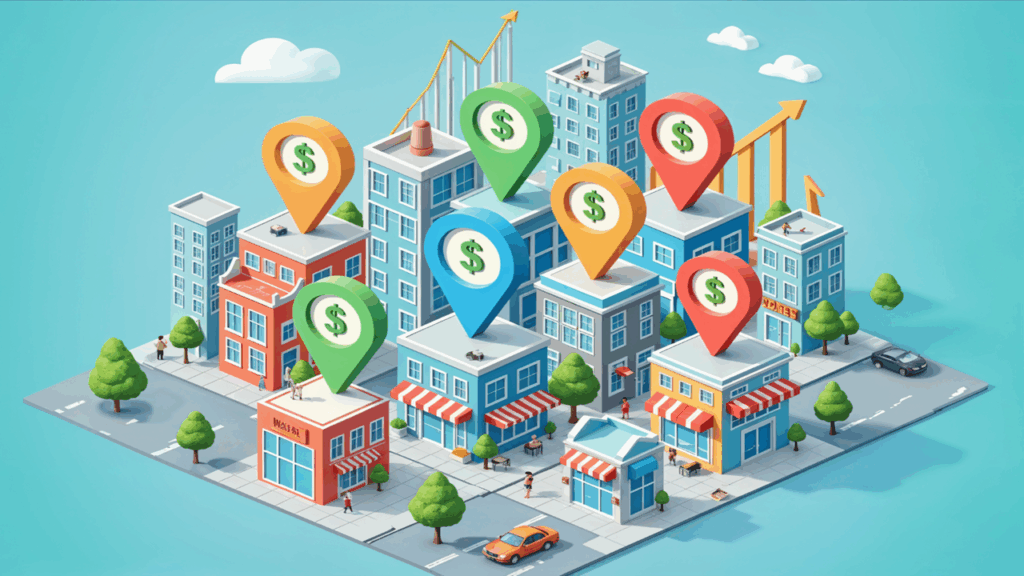
No matter if your business has one location or many, having good location pages is very important. This helps your business appear in the top “map pack” listings on Google. This detailed blueprint will walk you through creating the perfect location page for your business, step by step. By following this format, you can ensure that each page not only ranks high in local search results but also effectively converts visitors into customers. Let’s dive into the process. Step 1: Fully Optimize Your Google My Business Profile Before creating your location pages, start by ensuring your Google My Business (GMB) profile is complete and up to date. This includes: Adding All Locations: If you have multiple locations, list them all under the same account. This will help Google associate your business with its various branches. Choosing a Primary Category: Select the most relevant category for your business. For instance, if you’re an accounting firm, “Accounting Firm” should be your primary category. Including Additional Categories: Think about other terms your customers might search for. For example, an accounting firm might also list “Certified Public Accountant,” “Tax Preparation,” and “Tax Consultant” as additional categories. Be precise and use exact wording, e.g., “Accountant” rather than “Accounting.” By completing these steps, you lay a strong foundation for your location pages to rank effectively. Step 2: Treat Each Location Page Like a Homepage Many businesses make the mistake of treating location pages as an afterthought, focusing solely on SEO rather than user experience. Instead, design these pages with the same care and attention you would give to your homepage. They will often serve as the entry point for potential customers searching for your services in their area. If you have a single location, it’s fine to use your homepage as your location page. For businesses with multiple locations, consider designing a variation of your primary page for less prominent locations. This ensures consistency while tailoring content to specific areas. Step 3: Create a Compelling Hero Section The hero section is the first thing visitors see when they land on your location page. It should immediately convey who you are, what you do, and where you’re located. Here’s how to optimize it: Headline: Include your primary category and city name. For example, “Denver Accounting Firm Specializing in Small Businesses Like Yours.” Design for SEO and Engagement: Use the primary category and city name in the H1 tag. For instance, even if the visible headline is more engaging (“Helping Denver’s Small Businesses Thrive”), the underlying H1 tag can still read “Denver Accounting Firm.” Optimize Your Background Image: Name the image file using your keyword phrase and city name, such as “denver-accounting-firm.jpg.” Add descriptive alt text like “Denver accounting firm” for accessibility and SEO. Step 4: Craft an Engaging Introductory Section The second section of your location page should provide a brief introduction to your services, reinforced with keywords. Follow these tips: Use an H2 Tag: Include your primary category and city name in a natural way. For example, “The Accounting Firm Denver Businesses Trust.” Incorporate Keywords Naturally: Throughout the text, sprinkle keywords like “accounting,” “firm,” and “Denver” without making the content feel spammy. Focus on the First 150 Words: Google prioritizes content that appears higher up on the page. Make sure your keywords are strategically placed within this section. Step 5: Add a Services Section Include a detailed section outlining the services you offer. For example: Tax Preparation Payroll Services Small Business Consulting Use bullet points or short paragraphs to make this section easy to skim. Incorporate your primary category and city name where relevant, such as “Comprehensive Tax Preparation Services for Denver Businesses.” Step 6: Highlight Customer Testimonials Social proof is essential for building trust. Dedicate a section to showcasing positive customer reviews. Use the customer’s name and location, when possible, e.g., “John D., Denver.” If you have video testimonials, embed them directly on the page. Step 7: Provide a Location Map and Contact Information Google values accurate location information. Include: A Map Embed: Use Google Maps to embed a map of your location. NAP Information: Clearly display your business’s name, address, and phone number (NAP). Ensure this matches what’s listed on your GMB profile. Driving Directions: Include written directions from major landmarks or highways. Step 8: Add a Frequently Asked Questions (FAQ) Section Anticipate common questions potential customers might have and answer them in an FAQ section. For example: What services does your accounting firm offer? How do I schedule a consultation? What are your office hours? Use keywords naturally within your answers to boost SEO. Step 9: Include a Call-to-Action (CTA) End your location page with a strong CTA that encourages visitors to take the next step. Examples include: “Schedule a Free Consultation Today.” “Call Our Denver Office at (555) 123-4567.” “Get Your Taxes Done Right – Contact Us Now.” Make the CTA button prominent and easy to find. Step 10: Optimize for Mobile Many local searches happen on mobile devices. Ensure your location pages are mobile-friendly by: Using a responsive design. Keeping text easy to read. Ensuring buttons and links are easy to click. Step 11: Monitor and Adjust Finally, track the performance of your location pages using tools like Google Analytics. Monitor metrics such as: Pageviews Average session duration Bounce rate Conversions Use this data to refine your content and improve your rankings over time. Final Thoughts Businesses must adapt to the ever-evolving needs of their customers. This requires not only a keen understanding of market trends but also the ability to leverage technology effectively. By embracing innovative tools and strategies, companies can enhance their customer engagement, streamline operations, and ultimately drive growth. Furthermore, investing in employee training and development ensures that teams are equipped with the skills necessary to navigate these changes, fostering a culture of continuous improvement and resilience. By following this detailed blueprint, you can create location pages that not only rank high in search results but also drive meaningful business results. Treat each page as
Mastering SEO 2.0: The Key to Future Digital Success
To navigate this new landscape, businesses must prioritize adaptability and innovation in their SEO strategies. This means staying informed about the latest trends, tools, and technologies that can enhance visibility and engagement. For instance, leveraging artificial intelligence and machine learning can provide valuable insights into user behavior and preferences, allowing brands to tailor their content more effectively. Additionally, incorporating interactive elements such as quizzes, polls, and augmented reality experiences can significantly boost user engagement and retention. By embracing these advancements, companies can not only improve their SEO performance but also create a more meaningful connection with their audience. Search Engine Optimization (SEO) has always been a cornerstone of digital marketing, but the game is changing rapidly. With the rise of SEO 2.0, businesses are required to rethink traditional strategies and adopt a more holistic approach. In 2025 and beyond, SEO will no longer be just about Google; instead, it involves a multi-faceted strategy that spans multiple platforms and focuses on evolving digital trends. To remain competitive, brands need to understand the dynamics of content publishing, user signals, and algorithm changes to thrive in the new SEO landscape. The Evolution of SEO: From SEO 1.0 to SEO 2.0 SEO 1.0 was primarily concerned with optimizing websites for traditional search engines like Google. The strategy revolved around keyword optimization, backlinks, and on-page SEO techniques. However, with the introduction of SEO 2.0, the scope has expanded significantly. The future of SEO is omnipresent, which means that your strategy needs to be present across all platforms, not just on search engines. One of the key differences between SEO 1.0 and SEO 2.0 is the need to optimize content across multiple channels, including social media, websites, video platforms, and even large language models like chatbots. In this new age, SEO is no longer confined to a single platform or search engine but has evolved to a more dynamic, interconnected ecosystem. Omnipresence: The Key to SEO Success in 2025 A crucial aspect of SEO 2.0 is the omnipresent strategy, which involves creating a consistent presence across various platforms and touchpoints. This strategy is critical for success in the digital marketing landscape of 2025. While traditional search engines continue to play a significant role in generating traffic, focusing on being visible everywhere is essential. To succeed, brands must consider the entire user journey and ensure that they appear at every stage. From social media engagement to video content, all the way through to voice search optimization, a truly omnipresent SEO strategy leaves no stone unturned. Controllable Aspects of SEO: Content, Site Experience, Promotion, and Reviews The digital landscape is constantly changing, but there are aspects of SEO that businesses can control. By focusing on content, user experience, promotion, and reviews, businesses can navigate changes effectively. These controllable elements offer a stable foundation for any SEO strategy. Content remains the most important factor. The focus should be on creating high-quality, relevant, and engaging content that resonates with the target audience. Additionally, the user experience is paramount. A site that is well-optimized for speed, mobile devices, and easy navigation ensures a positive user experience that search engines will reward with higher rankings. Promotion and reviews also play a significant role in the new SEO paradigm. By promoting content across social media and other platforms, brands can drive more traffic and improve their visibility. Customer reviews are a valuable form of social proof that builds trust and authority. Building Authority with Focused Content Strategy To achieve better rankings and establish credibility, brands need to build authority around a focused topic. In SEO 2.0, specificity is key. A broad approach no longer works as effectively as it once did. Instead, creating in-depth content that focuses on a single topic or keyword cluster helps businesses build their authority within a niche. This approach not only makes it easier for search engines to understand your content but also helps position your brand as an industry leader. When you provide comprehensive, well-researched, and detailed content on a specific subject, you naturally gain recognition and higher rankings. The Power of Micro Websites In addition to traditional websites, creating micro websites can significantly enhance your online presence. A micro website is a smaller, niche-focused website designed to target specific keywords or topics. These websites help optimize for a wider range of keywords while still maintaining the focus needed to rank higher. Micro websites also allow businesses to own their assets and control their content. They serve as an excellent strategy for businesses looking to create hyper-targeted content that attracts specific audience segments. By creating separate sites for each product, service, or topic, businesses can diversify their online presence and capture traffic from a variety of search queries. Targeting Low-Traffic Keywords for Greater Impact When building authority around a specific topic, targeting keywords with low search traffic can sometimes feel like a difficult strategy to explain to clients. However, low-traffic keywords present an opportunity for brands to carve out a unique space in search results. These underappreciated keywords are often less competitive, giving businesses the chance to rank more easily. Moreover, these keywords may have high conversion potential, even if the search volume is low. By combining strategic planning with intuition, businesses can optimize these keywords effectively, creating a strong foundation for future SEO success. Specificity in Content Creation: The Key to Algorithm Training As search engines and algorithms become more sophisticated, specificity in content creation is becoming even more important. By being highly specific in content, brands help both platforms and users understand what their business is all about. The more precise and targeted your content is, the easier it is for algorithms to recognize the relevance of your website. This specificity helps train algorithms effectively, ensuring that they serve your content to the right audience. Analyzing Failures and Adapting Strategies One of the most critical aspects of SEO 2.0 is the ability to analyze failures unemotionally and adjust strategies based on performance metrics. SEO is not a one-time effort; it requires continuous optimization
Mastering Local SEO: Ranking Factors That Matter Most

Local SEO is not just about visibility; it’s about relevance and trust. To effectively master local SEO, businesses must understand their target audience and tailor their online presence accordingly. This means not only optimizing for local keywords but also ensuring that your content resonates with the community you serve. Engaging with local events, sponsoring community initiatives, or even collaborating with other local businesses can enhance your brand’s reputation and foster a sense of connection. By embedding your business within the local fabric, you not only improve your SEO but also build lasting relationships with potential customers. Showing up in Google’s local search results—commonly referred to as the “Google Map Pack”—is critical for driving traffic and conversions. If you’ve ever felt like you’re doing everything right but still failing to rank in local search results, this guide is for you. We’ll break down the most impactful local SEO ranking factors, what’s worth your effort, and what you can skip entirely. The Importance of Local SEO Rankings Local SEO rankings determine how your business appears in local search results when users look for services or products near them. Appearing in the Map Pack is particularly valuable because it places your business at the forefront of potential customers’ searches. Every day you’re not in this prime spot, you’re losing potential revenue. Tier List of Local SEO Ranking Factors Understanding the various ranking factors is crucial for any business aiming to enhance its local SEO. The factors can be categorized based on their impact and the effort required to implement them. For instance, some factors like having a well-optimized Google Business Profile and utilizing local keywords are foundational and should be prioritized. Others, such as maintaining an active social media presence or managing service area listings, may not directly influence rankings but can still contribute to overall brand visibility and customer trust. By recognizing which factors hold the most weight, businesses can allocate their resources more effectively and focus on strategies that yield the best results. To simplify the process, let’s rank these factors into five tiers: Must Dos: Essential strategies that significantly boost your ranking. Should Dos: Important, but not as critical as the must-dos. Good to Haves: Beneficial if you have the time and resources. Do When There’s Time: Low-priority tasks. Wastes of Time: Tactics that don’t impact your local SEO rankings. Must Dos Keywords in Landing Page Title When linking your Google Business Profile to your website, ensure your landing page’s meta title includes relevant keywords. For instance, if you’re a family law office, the title “Walker and Associates – Family Law Experts” will provide a significant boost. This simple adjustment is fully under your control and a critical ranking factor. Keywords in Business Name Including keywords in your business name can positively impact rankings. For example, “Walker and Associates Family Law” ranks better than “Walker and Associates Legal.” However, making this change requires a legal name update across all platforms and signage, which isn’t always practical. Do this only if it aligns with your brand identity and doesn’t sound spammy. Positive Google Reviews The quality of your Google reviews significantly impacts rankings. Aim for a high average star rating by encouraging satisfied customers to leave reviews promptly after using your services. Quantity of Reviews While quality trumps quantity, having more reviews strengthens your credibility. Encourage as many five-star reviews as possible, but focus on authenticity. Dedicated Service Pages Create individual pages on your website for each service you offer. This not only enhances your organic search visibility but also helps Google align your business profile with your services. Proximity to City Center Businesses closer to the city center often rank higher, especially in broader searches. While you can’t always control this factor, understanding it helps manage expectations. Social Signals Social media activity—like Instagram posts or Facebook engagement—doesn’t directly impact rankings. However, it supports overall marketing goals by improving brand visibility and customer engagement. Service Area Listings Setting up your service area in Google Business Profile clarifies where you operate but doesn’t influence your rankings. It’s a good practice for customer transparency but not a ranking factor. Social Media Engagement Impacting Rankings Despite common misconceptions, social media engagement doesn’t improve your local SEO rankings. Use social platforms for branding and audience interaction, but don’t rely on them for ranking boosts. Strategies to Elevate Your Local SEO Leverage Keywords Incorporate location-specific keywords into your website’s meta titles, descriptions, and content. For example, “Best Sushi in Seattle” can help draw in targeted traffic. Optimize Google Business Profile Regularly update your profile with accurate information, engaging photos, and detailed service descriptions. This builds trust with both users and Google’s algorithm. Encourage Customer Reviews Implement strategies to gain authentic reviews, such as follow-up emails or incentives. Address negative reviews promptly to maintain a positive reputation. Monitor Competitors Analyze competitors who rank higher and identify areas where you can improve, such as keyword usage, review acquisition, or service descriptions. Why Local SEO is Worth the Effort? Investing in local SEO ensures you’re visible to potential customers searching for services near them. By focusing on high-impact strategies and avoiding time-wasting tactics, you’ll maximize your ROI and position your business as a local leader. Focus on What Matters: The Long-Term Benefits of Mastering Local SEO By investing time in understanding your local market and customer preferences, you can tailor your content and services to meet their specific needs. This not only enhances your relevance in local searches but also fosters loyalty among your customer base. Consider creating localized content that highlights community events, partnerships, or testimonials from local clients. Such efforts not only improve your SEO but also position your business as an integral part of the community, making it more likely that potential customers will choose you over competitors. Mastering local SEO doesn’t require reinventing the wheel. Focus on must-do strategies like optimizing landing page titles, encouraging positive reviews, and refining your Google Business Profile. By prioritizing the factors that truly matter, you can climb
How to Optimize Your Content for ChatGPT with Search?

The rise of AI-powered search engines, such as ChatGPT with Search, is transforming how users find information online. With more than 200 million users engaging with ChatGPT every week, it becomes clear that this platform is much more than just a remarkable achievement in the realm of search technology. It has also evolved into an essential resource for companies looking to improve their visibility and effectiveness online. By leveraging its capabilities, businesses can enhance their online strategies and connect with their audiences in meaningful ways. Marketers must now embrace Generative Engine Optimization (GEO) as a critical tool for enhancing visibility and driving engagement. In this blog, we’ll explore the mechanics of ChatGPT with Search, why it matters, and practical strategies to ensure your content ranks effectively. Understanding ChatGPT with Search ChatGPT with Search works by combining advanced AI with search engine capabilities. Here’s how it functions: User Query Conversion: When a user inputs a query, the AI breaks it down into keywords or phrases. Search Engine Integration: The system leverages a search engine, such as Bing, to retrieve relevant websites. Summarization: The AI summarizes the content retrieved and provides a concise, citation-based response to the user. This hybrid approach is what sets ChatGPT apart as a truly unique platform in the digital landscape. By seamlessly integrating the power of generative artificial intelligence with the reliability of traditional search methods, it creates an environment where users can receive not just information, but specific and actionable answers tailored to their needs. This blend of technologies ensures that people can access detailed insights while benefiting from the convenience and immediacy that modern technology has to offer. Whether you’re looking for quick facts or in-depth explanations, ChatGPT delivers information in a way that is both user-friendly and effective. Why Businesses Should Optimize for ChatGPT with Search? Businesses should optimize for ChatGPT with Search because it represents a significant shift in how consumers access information. As users increasingly rely on AI-driven platforms for their queries, being featured in these results can lead to a substantial increase in traffic and engagement. Moreover, optimizing for ChatGPT allows businesses to tap into a growing audience that values quick, accurate, and relevant information. By aligning content strategies with the capabilities of generative AI, companies can not only enhance their visibility but also foster deeper connections with their target audience, ultimately driving conversions and loyalty in a competitive marketplace. Appearing in ChatGPT with Search results offers businesses numerous advantages: Enhanced Visibility: With the integration of citations and links, businesses can drive traffic directly to their websites. Authority and Trust: AI-powered engines prioritize authoritative content, offering an opportunity to establish your business as a trusted source. Future-Proofing: As more users adopt generative search engines, optimizing for these platforms ensures your business stays ahead in a competitive digital landscape. Key Strategies for Ranking in ChatGPT with Search To effectively rank in ChatGPT with Search, businesses should prioritize creating content that not only answers user queries but also aligns with the AI’s understanding of context and relevance. This means focusing on user intent and crafting content that addresses specific questions or problems that your target audience may have. By utilizing tools like keyword research and analysing trending topics, you can tailor your content to meet the needs of users while ensuring it is structured in a way that is easily digestible for AI models. Additionally, incorporating multimedia elements such as images, videos, and infographics can enhance user engagement and provide a richer experience, further increasing the likelihood of being featured in search results. 1.Optimize for Bing ChatGPT uses Bing as its primary search engine. To ensure your content appears in ChatGPT’s results: Use Bing Webmaster Tools: Verify your website is indexed and optimized for Bing. Leverage Keywords: Research and include keywords that perform well on Bing, even if they differ slightly from Google’s trends. Focus on Local SEO: Bing has strong local search capabilities, making location-based optimization vital. Leverage Structured Data with Schema Markup Structured data, or schema, helps search engines and AI models understand your content. Adding schema to your website enhances visibility and ensures accurate representation in search results. Focus on implementing: Product schema for e-commerce. FAQ schema for informational content. Review schema for testimonials and ratings. 3.Publish High-Quality, Data-Driven Content AI-powered engines like ChatGPT prioritize content that demonstrates expertise, authority, and trustworthiness (E-A-T). To achieve this: Share Original Data: Incorporate statistics, studies, and unique insights from your business. Cite Credible Sources: Link to reputable websites to boost your content’s authority. Keep It Concise: Use short, simple sentences to improve readability and AI comprehension. 4.Enhance Fluency and Readability Generative engines favor content that is easy to read and understand. Focus on: Short Paragraphs: Break content into digestible sections. Clear Headings: Use headings and subheadings to guide readers (and AI models) through your content. Bullet Points and Lists: Highlight key information for better scannability. 5.Build Your Online Presence AI models, including ChatGPT, are trained on vast amounts of online data. A strong digital footprint increases your chances of being referenced. To achieve this: Encourage Mentions: Promote your business through blogs, news articles, and social media. Partner with Publishers: Collaborate with online publications for featured content. Engage in PR: Publish press releases and participate in industry discussions. Pro Tips The marketing experts emphasize additional strategies for improving your GEO efforts: Specific Data Is Key: Provide precise information that AI models can use to generate answers, such as average payout figures or comparative data. Utilize AI-Friendly Formats: Write in a style that generative engines prefer—simple, structured, and authoritative. Request a Free Review: A free website and marketing review to help businesses improve their visibility on all types of search engines, including AI-powered platforms. The Future of Search Is Generative With OpenAI’s ChatGPT and other generative engines gaining traction, understanding how to optimize for these platforms is no longer optional. Businesses that adapt to this new search paradigm will not only enjoy higher visibility but also gain a competitive edge in their
SEO in 2025: How AI and User Intent Are Shaping the Future of Search Engine Optimization

As we move into 2025, the SEO landscape is undergoing significant changes, driven largely by advancements in artificial intelligence (AI) and the evolving way users interact with search results. Traditional SEO strategies, which focus heavily on keyword optimization, are no longer sufficient to secure top rankings on Google. This shift is due to the rise of zero-click searches, AI-driven algorithms, and a greater emphasis on search intent. In this blog, we will explore the new SEO strategy that is replacing keywords, offering insights on how businesses can adapt and stay competitive in the changing digital landscape. New SEO Strategies To Follow in 2025 Zero-Click Searches: A Game Changer for SEO Zero-click searches, a feature that allows users to find answers directly on the search engine results page (SERP), are dramatically altering how SEO works. With zero-click searches, users no longer need to click through to a website to get the information they need. Instead, they are served with answers through features like knowledge panels, featured snippets, or direct answers, all powered by AI systems like Google RankBrain. While this may seem like a setback for driving traffic, it presents a unique opportunity for businesses to increase visibility and credibility. Even if users don’t visit your website, having your brand displayed directly in the search results can help you gain exposure and build trust with potential customers. Therefore, businesses need to pivot their strategy to focus on optimizing content for these features. The Shift From Keywords to Search Intent In the past, ranking high on Google was all about targeting the right keywords. But as search engines like Google have evolved, they now prioritize the underlying intent behind a user’s query rather than just matching keywords. This shift towards user intent means that businesses must ensure their content aligns with what users are truly looking for. For example, if users are searching for “best skincare products,” it’s important for businesses to understand whether the user is looking for product recommendations, information about skincare benefits, or details about specific ingredients. By optimizing content to address the different types of search intent—informational, transactional, commercial, or navigational—businesses can ensure that they provide answers that resonate with the user’s needs, boosting both their SEO rankings and user engagement. Tools for Aligning Content with Search Intent While understanding search intent can take time and effort, leveraging SEO tools can significantly streamline the process. Tools like Semrush’s SEO content template analyze top-ranking pages for specific keywords, providing insights into the type of content that works best for a given query. By following these insights, businesses can create content that aligns more effectively with user intent, increasing the chances of ranking higher on search engines. For instance, a business selling organic skincare products can use an SEO content template to identify the types of content (e.g., ingredient comparisons, skin benefits, product reviews) that perform well for a keyword like “best organic skincare products.” With this knowledge, businesses can create informative, valuable content that addresses the user’s search intent, leading to higher traffic and better engagement. User Engagement Metrics: The New SEO Ranking Factors Beyond optimizing for keywords and search intent, search engines also measure how users interact with your content. Metrics such as bounce rate, dwell time, click-through rate (CTR), and pages per session all serve as indirect signals to Google about the quality of your content. For example, a high bounce rate—when users leave a page quickly after clicking on it—indicates that your content might not be meeting their expectations. In contrast, longer dwell times and higher CTRs suggest that users find your content valuable, helping your SEO efforts. Google also looks at how many pages users explore during a session, which reflects the level of engagement with your website. To optimize for these metrics, businesses must ensure their content is engaging, informative, and delivers the answers users are searching for. Site Speed and User Experience Website performance plays a crucial role in SEO. Slow loading times or technical issues can negatively impact user experience, leading to higher bounce rates and lower rankings. Tools like Google PageSpeed Insights and Semrush’s Site Audit can help identify and resolve these issues, ensuring that your website loads quickly and offers a smooth experience for users. Improving site speed is not only important for SEO but also for retaining users. No one likes to wait for a page to load, and if your website takes too long to load, users are likely to leave, impacting both your rankings and your brand’s reputation. The Role of Long-Tail Keywords Long-tail keywords are another essential component of modern SEO strategies. These are longer, more specific search phrases that better reflect user intent. For instance, instead of targeting a broad keyword like “skincare,” a more effective approach would be to target a long-tail keyword like “best all-natural skincare products.” Long-tail keywords face less competition than broad keywords, making it easier to rank higher in search results. They also tend to drive more targeted traffic to your site, as users searching for these specific phrases are often further along in the buying process. By focusing on long-tail keywords, businesses can improve conversion rates and reach a more relevant audience. Building Content Authority with Topic Clusters To build authority in your niche, businesses should consider implementing a topic cluster strategy. This involves organizing content into clusters of related topics, all linked to a central pillar page. For example, a skincare business could create a pillar page on “Natural Skincare Products,” with cluster pages covering topics like “Benefits of Organic Ingredients” or “How to Choose the Right Skincare for Your Skin Type.” By using this strategy, businesses can create comprehensive, authoritative content that covers all aspects of a particular topic, improving SEO rankings and providing more value to users. Focusing on Quality Content Over Keywords As we move further into 2025, SEO will continue to prioritize quality over quantity. Simply stuffing your content with keywords won’t cut it anymore. Businesses must focus on providing valuable, context-rich
Future-Proofing Local SEO: Stay Ahead of the Game in 2025

2025 is a new year, but the challenge for marketers remains the same: Every dollar needs to show measurable results. To do that, you need to stay ahead of the curve and adapt your strategy. Success will be determined by how well you adapt to new technology, shifting audience expectations, and rising performance demands. Our experts at Spinutech have spent the past year developing strategies and driving results for our clients — and gathering insights along the way. We don’t need tea leaves to predict what is on the horizon in 2025. The road ahead is paved by performance data and industry trends. Our Digital Marketing Trends for 2025 series will be your guide to navigating the sea of changes taking place across all digital marketing channels in 2025. In the ever-evolving landscape of local SEO, businesses—whether multinational giants or single-location stores—must adapt quickly to keep pace. With search engines like Google constantly updating their algorithms and integrating AI technologies, future-proofing your local SEO strategy has become more critical than ever. This blog explores actionable steps you can take to enhance your local SEO game, focusing on Google Business Profile optimization, AI integration, and review management. The Impact of AI on Local SEO Artificial intelligence is changing how local search results are displayed. While Google’s AI overviews are currently limited, they are expected to play a more significant role in the future. For instance, searching for “best family days out of London for under five” may return an AI-generated summary alongside traditional results. These AI overviews often pull data directly from Google Business Profile (GBP) listings. As a business owner, optimizing your GBP is paramount, as it’s likely to form the foundation for AI-driven search results. However, other search engines like ChatGPT or Perplexity do not access Google’s GBP data in the same way. Instead, they rely on brand visibility across directories, websites, and trade publications. This makes it essential to maintain consistent and accurate information about your business across the web. Optimizing Your Google Business Profile A well-maintained Google Business Profile is the cornerstone of local SEO. Yet, many businesses fail to leverage their GBP’s full potential. For example, a cleaning company can showcase its services—carpet cleaning, upholstery cleaning, and more—through product listings. These not only inform potential customers but also help Google understand the range of services offered, boosting your relevance in local searches. Key elements to optimize in your GBP: Services and Products: Clearly list all services with brief descriptions. Photos: Upload high-quality images of your storefront, team, and services. Reviews: Encourage and respond to customer reviews. Business Information: Ensure your name, address, phone number (NAP), and operating hours are accurate. Social Media Links: Connect your social profiles to your GBP. Updates: Share posts about new offers, events, or behind-the-scenes content. Tools like Semrush Local can streamline GBP management by providing audits, tracking visibility, and automating updates. Leveraging Tools like Semrush Local Semrush Local is a powerful tool for optimizing your local SEO strategy. By offering features such as audit reports and map rank trackers, it enables businesses to identify gaps in their online presence and improve their visibility in local searches. How Semrush Local Helps? Audit Reports: Identify inconsistencies in your business information across directories. Map Rank Tracking: Monitor your visibility in local searches within specific geographical areas. Review Management: Respond to reviews and maintain a positive online reputation. Even a 14-day trial of Semrush Local can provide actionable insights to enhance your local SEO. The Role of Reviews in Local SEO Customer reviews are a pivotal factor in local SEO. Google considers review volume and quality when ranking businesses. Yet, many companies overlook the importance of consistent review generation. To stay competitive, especially in high-stakes industries like personal injury law in the U.S., you must actively solicit and manage reviews. Tips for Generating Reviews: Automate Review Requests: Integrate review collection into your email marketing campaigns. Encourage Feedback: Politely request reviews from satisfied customers. Respond Promptly: Address both positive and negative reviews to show that you value customer feedback. Ensuring Consistency Across Directories Inconsistent business information across directories can harm your local SEO efforts. Google’s algorithm favors businesses with consistent NAP information. Tools like Semrush Local can scan directories to identify inaccuracies and suggest corrections. Directories to Focus On: Industry-specific directories Regional directories General platforms like Yelp and TripAdvisor Tracking Local SEO Performance Measuring the effectiveness of your local SEO efforts is essential for continuous improvement. Use tools that provide detailed analytics on your local rankings, visibility, and customer interactions. For instance, a map rank tracker can help visualize how well your GBP performs in various locations. Metrics to Monitor: Local search rankings GBP views and interactions Review scores and volume Content Reporting with Entire Funnel Covering Tracking how content performs is growing more intricate. By assessing how content works at every stage of the customer journey, from first contact to final sale, brands can improve their tactics and boost ROI. To effectively track content performance, brands should implement a comprehensive reporting system that encompasses various metrics across the entire funnel. This includes analyzing engagement rates, conversion rates, and customer feedback at each stage of the journey. By utilizing tools that provide insights into how content resonates with different audience segments, businesses can refine their strategies and tailor their messaging to meet customer needs more effectively. Additionally, integrating these insights with local SEO efforts can enhance visibility and drive more targeted traffic to your Google Business Profile, ultimately leading to increased customer acquisition and retention. Staying Updated with Google’s Features Google frequently introduces new features for its Business Profile. Make it a habit to check for updates monthly. Whether it’s adding new service categories or utilizing emerging tools, staying proactive ensures your GBP remains competitive. Adapting to the Future of Local SEO The world of local SEO is advancing rapidly, with AI playing an increasingly significant role. To future-proof your strategy, focus on optimizing your Google Business Profile, maintaining consistency across directories, actively
How Digital Marketing Will Change in 2025: New Strategies for Small Businesses

In 2025, digital marketing will change a lot. This change will come from how consumers behave and new technology. Big brands have already begun adapting to these shifts, but the good news is that small businesses can also leverage these emerging trends to thrive. Here, we’ll explore five game-changing strategies for 2025, from using AI effectively to creating a free customized marketing plan for your business. The Changing Consumer Journey Consumers no longer follow a straightforward path from seeing an ad to making a purchase. Instead, they hop between platforms, engage with content in natural ways, and prioritize authenticity over polished advertising. Gen Z, the emerging powerhouse of consumer influence, is leading this shift. They’re sceptical of traditional ads, preferring genuine content from influencers, creators, and real users. While you might think this trend affects only younger audiences, it has a ripple effect on older generations. Gen Z’s preferences often set trends that other demographics eventually follow, making this shift relevant to all businesses. Artificial Intelligence (AI) and automation have been game-changers in the digital marketing landscape, and their influence is set to grow even further in 2025. AI-powered tools can help you automate repetitive tasks, analyse large sets of data, and provide personalised experiences for customers. Artificial Intelligence (AI) and automation have significantly transformed the digital marketing field, and their impact is expected to increase even more by 2025. Tools powered by AI can assist in automating repetitive tasks, analysing extensive data sets, and delivering personalized customer experiences. The Rise of Organic Marketing In 2025, organic marketing is king. Throwing money at ads that people skip or block is becoming increasingly ineffective. Instead, smart brands are focusing on organic content like: Social media posts that engage users. Educational videos that offer real value. Influencer partnerships that feel authentic. The long-term value of organic marketing lies in its ability to build trust and credibility. Unlike paid ads, organic content continues to work even when you stop spending, making it a cost-effective strategy for small businesses. Leveraging Video Content Without Overwhelm Video content remains one of the most powerful tools in digital marketing. However, creating videos often feels daunting for small business owners due to the pressure of high production values. The good news? You don’t need flashy editing, jokes, or graphics to succeed. Simple, educational videos that focus on providing valuable information are incredibly effective. Entrepreneurs like Alex Hermozi have proven that no-frills videos with minimal editing often outperform highly polished ones. Here’s why: Authenticity resonates. Audiences value information over aesthetics. Saves time and effort. Minimal editing reduces the production burden. Attracts the right audience. Educational videos bring in viewers who are genuinely interested in your business. To succeed, focus on delivering clear and conversational content, just like you would when explaining something to a customer in person. If your sound quality is good and your information is valuable, fancy visuals aren’t necessary. Tapping Into LinkedIn Newsletters LinkedIn newsletters are becoming a powerhouse tool for businesses, especially B2B companies. What sets LinkedIn newsletters apart? Extended reach. Unlike regular posts that disappear in a day, newsletters land directly in subscribers’ inboxes and stay there. Incredible visibility. Even with fewer followers, newsletters can reach a massive audience. For instance, John Hall has around 70,000 followers but reaches over 330,000 subscribers with his newsletter. Built-in audience. LinkedIn provides access to a professional network, eliminating the struggle of building an audience from scratch. Each new newsletter subscriber also becomes your follower, making it a seamless way to grow your LinkedIn community while enhancing your professional credibility. Revolutionizing Email Marketing with Custom GPTs Email marketing remains one of the most powerful tools for business growth in 2025. However, the approach to building email lists is evolving. The secret? Offering custom GPTs (Generative Pre-trained Transformers) as lead magnets. These AI-powered tools act as virtual assistants, providing valuable insights or solutions tailored to your audience’s needs. Here are some examples: Financial advisors can create GPTs offering budgeting tips or retirement planning advice. Personal trainers can offer GPTs generating workout plans based on fitness goals. Dog trainers can design GPTs addressing common behavioral issues. By providing free, high-value tools, you not only capture leads but also demonstrate your expertise upfront, increasing the likelihood of future engagement. AI-Powered Chatbots: Beyond FAQs AI chatbots are no longer limited to answering basic questions. In 2025, they’re becoming indispensable tools for personalized customer experiences. Advanced capabilities. Chatbots can now provide tailored advice, recommend products, and guide customers through complex decisions. 24/7 availability. They ensure round-the-clock support, improving customer satisfaction and loyalty. For small businesses, AI chatbots represent an affordable way to deliver professional customer service without needing a large team. Repurposing Content is Key to Maximizing ROI Repurposing content is essential for maximizing return on investment (ROI) in digital marketing. By taking existing content and adapting it for different platforms or formats, small businesses can extend the lifespan of their marketing efforts without the need for constant new creation. For instance, a blog post can be transformed into a series of social media posts, an infographic, or even a video. This not only saves time and resources but also allows businesses to reach diverse audiences who may prefer different types of content. Additionally, repurposing helps reinforce key messages, ensuring that your brand remains top-of-mind for potential customers across various channels. Using AI Well Involves Choosing the Right Tool The Trend: Generative AI is clearly on the rise, but by 2025, a smarter strategy for adopting it will be necessary. Picking the right tools to simplify tasks without losing quality will be a central concern. Not every AI tool is the same, so knowing what they can’t do is just as crucial as knowing what they can do. Creating a Free Customized Marketing Plan 2025 also brings tools that allow small businesses to create free, start-to-finish marketing plans tailored to their needs. These tools often incorporate AI to analyze your target audience, suggest content strategies, and optimize campaigns. By leveraging these
Understanding SEO: What It Is and How It Works for Your Business

Search Engine Optimization (SEO) is often misunderstood as a quick fix or a “set-it-and-forget-it” strategy. In reality, it’s a highly specialized, dynamic process that evolves as search engines like Google update their algorithms and consumer behaviors change. As your SEO specialist, my job is to ensure your website is visible to the right audience and delivers long-term results that support your business goals. To do that, it’s important for you to understand not just the benefits of SEO, but also how it works and why it requires continuous investment. What Is SEO? At its core, SEO is about increasing your visibility on search engines like Google when potential customers search for products or services you offer. Think of Google as a massive library, and your website as a book. SEO ensures your book is cataloged correctly and displayed prominently where your audience can find it. The goal of SEO is to: Attract qualified, organic traffic to your website. Build trust and credibility with your audience. Drive sustainable, long-term growth for your business. Unlike paid ads, which disappear as soon as you stop funding them, SEO results compound over time. Ranking at the top of search results signals to customers that your business is credible and trustworthy. Studies show that users often skip over paid ads, focusing instead on organic results because they perceive them as more authentic and reliable. How Does SEO Work? Search engines use complex algorithms to determine which websites appear at the top of search results. SEO helps improve your website’s performance in three main areas: Technical SEO This focuses on the behind-the-scenes aspects of your site, like page speed, mobile usability, and security. These factors help search engines crawl and index your site effectively. On-Page SEO This involves optimizing the content on your site, such as blogs, product descriptions, and landing pages, by targeting relevant keywords and improving overall quality. Off-Page SEO This builds your website’s authority through backlinks (links from reputable websites), which signal to search engines that your site is trustworthy and credible. Why SEO Requires Continuous Investment Many clients understandably expect fast results, but SEO is a long-term investment. It takes time to build your website’s authority and move up the search rankings, especially if your starting point is low. For example: You may begin with no visibility for a keyword. After a few months, you rank at position 80, then move to 50, then 30. Significant traffic often doesn’t appear until your site reaches the first page of Google (positions 1–10). Getting there requires consistent, ongoing effort. SEO is a competitive space, and your competitors are also investing in their strategies. Without regular optimization and updates, it’s easy to lose ground. Bigger Budgets Accelerate Results The speed at which you see results depends not only on time but also on the level of investment. A larger budget allows for: More extensive content creation targeting a variety of keywords. Faster implementation of technical fixes. Stronger off-page efforts, such as acquiring high-quality backlinks. While SEO is not an instant fix, investing more resources upfront can help you achieve your desired results more quickly. This is especially critical in competitive industries where ranking at the top requires significant effort. How We Keep You Informed We understand that SEO can feel overwhelming, which is why transparency and communication are at the heart of our services. Here’s how we ensure you’re always in the loop: Regular Reporting: You’ll receive clear, actionable reports showing progress, including keyword rankings, traffic growth, and other key metrics. Proactive Updates: Whenever there’s a major industry change, such as a Google algorithm update, we’ll notify you immediately and explain how it may affect your site. Tailored Insights: We’ll break down strategies in terms that matter to you, focusing on how they impact your business goals. SEO vs. Paid Ads: Why Both Matter It’s important to understand the difference between paid ads and organic SEO: Paid Ads: These appear at the top of search results and can drive immediate traffic, but they require ongoing funding. Once the ad budget stops, so does the traffic. Organic Results: These are earned through SEO efforts. Users trust organic results more than paid ads because they view them as more credible and less sales-driven. While paid ads can complement your strategy by generating quick wins, organic SEO delivers sustainable growth that builds trust with your audience over time. A well-rounded digital marketing strategy often includes both, with SEO forming the foundation. Why SEO is About People, Not Just Algorithms A common misconception is that SEO is about optimizing for search engines. While technical elements are important, the ultimate goal of SEO is to create a better experience for your audience. Here’s how: Producing high-quality, engaging content that answers your customers’ questions. Ensuring your site is easy to navigate, visually appealing, and mobile-friendly. Addressing search intent—delivering exactly what users are looking for when they click on your site. Search engines like Google prioritize websites that serve people well. By putting your audience first, we not only improve your rankings but also strengthen your reputation and brand loyalty. What You Can Do to Help SEO works best when we collaborate. Here’s how you can support the process: Provide insights about your target audience and business goals. Share industry-specific knowledge to guide content creation. Be patient and trust the process—good SEO takes time, but it’s worth the wait. Key Takeaways SEO is a long-term strategy that builds sustainable growth, helping your website rank higher, attract qualified visitors, and generate leads. A larger SEO budget accelerates progress, allowing for quicker implementation and better results in competitive markets. While paid ads offer quick wins, organic SEO provides lasting value by building trust and credibility with your audience. Progress may take time, but every step we take—from ranking at position 80 to reaching the first page—gets you closer to a steady stream of organic traffic and business success. Final Thoughts SEO isn’t just about improving your website’s rankings—it’s about creating a strong
SEO Success Takes Time: Why Patience and Consistency Pay Off

It’s common to feel uncertain when you’ve been investing in SEO for a few months, especially if the reports show progress in keyword rankings but your business hasn’t yet seen an increase in website traffic or sales. This can be frustrating—after all, you’ve been putting time, money, and trust into your SEO strategy, and you’re eager to see a return on that investment. But here’s the truth: SEO is a long-term strategy, and the biggest wins often come after months of consistent effort. Pulling the plug too soon can mean missing out on the exponential growth that lies just around the corner. Let’s explore why patience and continued investment in SEO are critical to achieving your business goals. What the Reports Are Really Telling You Your reports show that your website is climbing in keyword rankings—moving from position 80 eto 50, and now into the 30s. While this progress may not feel impactful yet, it’s actually a sign that your SEO strategy is working. Here’s why: Climbing the Rankings is a Process: The majority of traffic happens on the first page of Google. Breaking into the top 10 positions for competitive keywords takes time and persistence. Each incremental improvement lays the groundwork for future success. Foundation Building: SEO isn’t just about rankings; it’s about creating a strong foundation that Google and other search engines recognize as valuable. This involves technical optimization, high-quality content, and authoritative backlinks—all of which take time to establish. Why Traffic and Results Take Time It’s important to understand the timeline of SEO. While paid ads can generate immediate traffic, SEO builds lasting visibility and credibility, which requires a longer timeframe to mature. Here’s why results take time: Competition is Fierce: Your competitors are also optimizing for the same keywords. Outranking them means continually refining your strategy and waiting for search engines to recognize your site’s growing authority. Google’s Trust Factor: Search engines prioritize websites they trust. Building trust takes time and is achieved through consistent updates, quality content, and reputable backlinks. Content Maturity: New pages often need time to “age” before they rank higher. Over time, as search engines collect data about your site, your rankings and traffic will naturally improve. The Cost of Stopping SEO Too Soon Pausing or stopping your SEO efforts prematurely can undo months of progress. Here’s why: Lost Momentum: SEO builds on itself over time. When you stop, your competitors who continue investing will quickly surpass you, and regaining that ground later can be even more challenging. Wasted Investment: The work done so far—whether it’s creating content, optimizing your website, or earning backlinks—needs continuous reinforcement to deliver results. Without ongoing effort, these gains could stall or even decline. Missed Growth Opportunities: Often, the biggest gains in traffic and conversions happen just as your site reaches the first page of Google. Stopping now would mean abandoning your progress before it pays off. Why Patience Pays Off SEO success is a lot like growing a tree. You plant the seeds (initial optimization), water them (ongoing updates and content), and nurture them over time. While you don’t see results immediately, eventually, you’ll enjoy the shade of a strong, thriving tree. Here’s what you can expect with continued investment: Exponential Growth: Once you break into the first page of search results, your website will start attracting significantly more traffic. This traffic often grows exponentially as your rankings solidify. Sustainable Results: Unlike paid ads that stop working the moment you turn them off, SEO results stick around and continue delivering value over time. Higher ROI: The long-term return on investment for SEO far outweighs the initial costs. Clients who stay the course often see consistent, sustainable growth in their traffic and conversions. What You’re Really Investing In When you invest in SEO, you’re not just paying for rankings. You’re investing in: Brand Visibility: SEO makes your business visible to people actively searching for what you offer. Customer Trust: Organic search results are trusted more than paid ads, giving your brand credibility. Long-Term Growth: Each step forward builds a stronger digital presence, ensuring your business continues to thrive in the years to come. How We’re Working to Achieve Your Goals Here’s how your SEO strategy is setting the stage for success: Targeting the Right Keywords: We’re focusing on keywords that matter to your business—terms that your potential customers are searching for. Building Authority: By earning high-quality backlinks and creating valuable content, we’re ensuring search engines view your site as a trusted resource. Optimizing for User Experience: A user-friendly website isn’t just good for rankings; it also converts visitors into loyal customers. Monitoring and Adjusting: SEO isn’t a one-size-fits-all solution. We continuously analyze your site’s performance and adapt our strategy to ensure long-term success. What You Can Do to Stay the Course Your commitment to SEO plays a critical role in its success. Here’s how you can help: Stay Patient: Understand that the best results take time but are worth the wait. Communicate Goals: Keep us updated on your business objectives so we can align our strategy with your needs. Trust the Process: Know that every step we take is designed to get your website closer to its full potential. The Big Picture SEO is an investment in your business’s future. While it can be tempting to pull back when immediate results aren’t visible, the reality is that SEO takes time to deliver its full impact. By staying the course, you’ll reap the rewards of increased traffic, stronger brand visibility, and sustainable growth. Remember, the businesses that dominate search engine rankings today are the ones that committed to their SEO strategy yesterday. Let’s make sure your business is among them.